
Certified Safe: Why Expert Mold Removal is a Non-Negotiable
Understanding the Urgent Need for Expert Mold Cleanup
Expert mold cleanup is a specialized service that safely removes mold contamination, addresses moisture sources, and prevents recurrence through professional-grade equipment and certified protocols. If you’re facing a mold problem, here’s what you need to know:
When You Need Expert Help:
- Mold covers more than 10 square feet (roughly 3 ft. by 3 ft.)
- HVAC systems show signs of contamination
- Mold results from sewage or contaminated water
- Anyone in your home has respiratory issues or compromised immunity
- Mold returns after previous cleanup attempts
What Experts Provide:
- IICRC-certified technicians following EPA and ANSI/IICRC S520 standards
- Containment barriers with negative air pressure to prevent spore spread
- HEPA filtration, air scrubbers, and industrial dehumidifiers
- Complete moisture source identification and correction
- Post-remediation verification testing
Mold isn’t just unsightly. According to EPA research, exposure to damp and moldy environments causes allergic reactions, respiratory issues, and skin rashes. Prolonged exposure can lead to chronic headaches, asthma, memory loss, and even autoimmune disease.
The longer mold grows, the more damage it causes to both your health and your property’s structure. Materials like drywall, subflooring, and furniture become permanently damaged. Porous items that stay wet often can’t be salvaged.
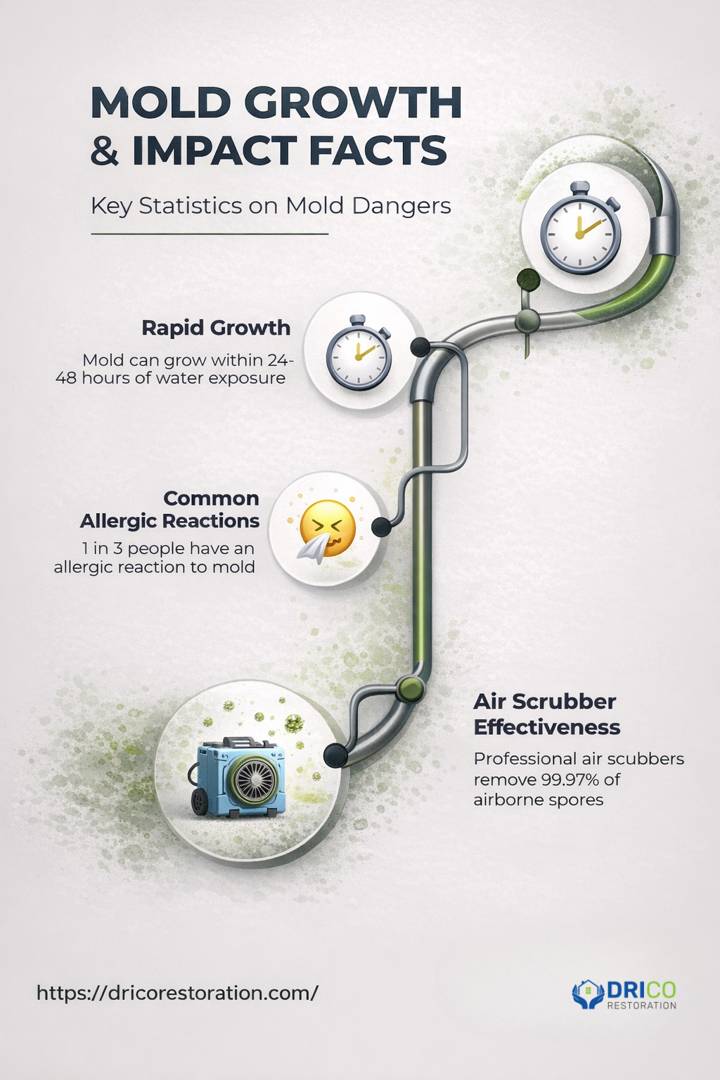
If your Gulfport or Pinellas County home wasn’t dried within 24-48 hours after water damage, you should assume mold growth has started. The warm, humid climate along the Gulf Coast creates perfect conditions for rapid mold development.
Professional remediation doesn’t just remove visible mold. Experts locate hidden growth behind walls, under flooring, and in ventilation systems. They fix the root moisture problem, use antimicrobial treatments, and verify complete removal through testing.
Why You Need Expert Mold Cleanup for Your Property
When you find a fuzzy patch on the drywall or a dark stain under the sink, it’s tempting to grab a bottle of bleach and start scrubbing. However, mold is a biological organism that releases microscopic spores into the air the moment it is disturbed. Without proper containment, a small DIY project can quickly turn into a house-wide contamination.
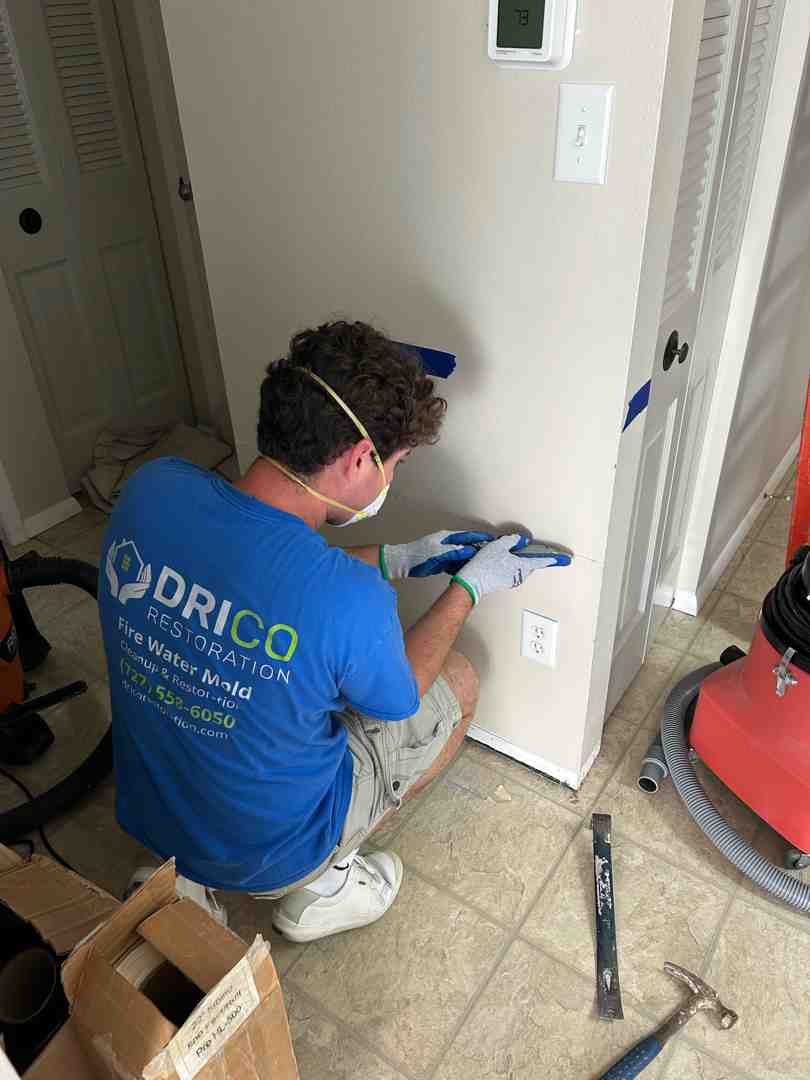
At Drico Restoration, we see how mold impacts properties across St. Petersburg and Clearwater. The danger isn’t just cosmetic. Mold produces allergens, irritants, and in some cases, potentially toxic substances called mycotoxins. Exposure to these can lead to significant health risks, including:
- Acute Symptoms: Allergic reactions, fever, vomiting, nausea, and skin rashes.
- Chronic Conditions: Fatigue, chronic sinus problems, asthma, and even nerve issues or memory loss.
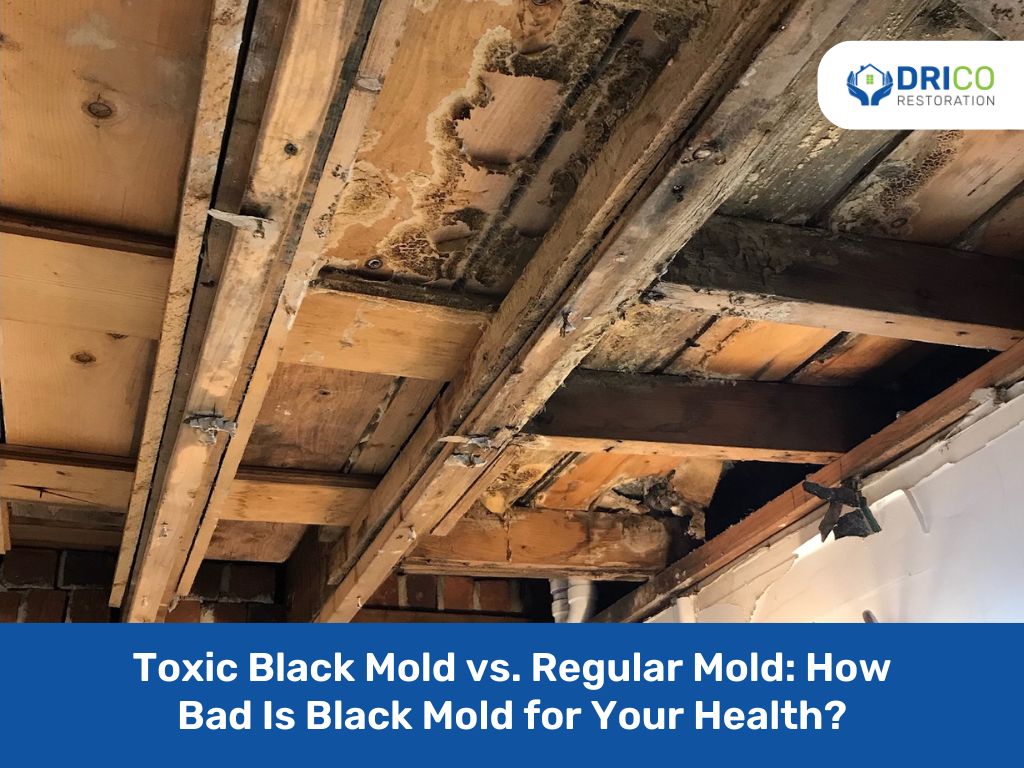
Beyond health, the structural integrity of your home is at stake. Mold feeds on organic materials like the paper backing of drywall, wood studs, and carpet padding. If left unchecked, it can literally digest your home from the inside out. Understanding the difference between toxic black mold vs. regular mold is important, but the reality is that any significant mold growth requires professional attention to ensure safety.
Identifying the Signs of a Mold Infestation
Mold is often a “stealth” invader. By the time you see it, the colony may have been growing for weeks. In the humid environment of Largo and Pinellas Park, you should keep an eye (and nose) out for these indicators:
- Musty Odors: That “old basement” or “wet dog” smell is often the first sign. These are microbial volatile organic compounds (mVOCs) released by mold as it grows.
- Visible Spotting: This can appear as black, green, white, or even orange fuzzy patches.
- Water Damage: Peeling paint, bubbling wallpaper, or yellow staining on ceilings often hide mold growth beneath the surface.
- Health Flares: If your allergies improve when you leave the house but worsen when you return, your indoor air quality is likely compromised.
To better understand what you are looking at, it helps to learn about black mold growth patterns and the mold vs. mildew differences that dictate how a surface should be treated.
When to Choose Expert Mold Cleanup Over DIY
We often get asked, “Can’t I just clean this myself?” The EPA guidelines for mold cleanup provide a clear threshold: if the moldy area is less than 10 square feet (roughly 3 feet by 3 feet), a healthy homeowner can usually handle it. However, expert mold cleanup is required if:
- The Area is Large: Anything over 10 square feet needs professional containment.
- HVAC Involvement: If mold is in your air ducts, running the AC will spread spores to every room in the house.
- Contaminated Water: If the mold resulted from a sewage backup or floodwater, it likely contains bacteria and viruses that make DIY cleaning extremely dangerous.
- Hidden Mold: If you suspect mold behind walls or under floors, professionals have the tools to find it without causing unnecessary damage.
There are significant risks of cleaning black mold yourself, including cross-contamination and personal health exposure.
| Feature | DIY Cleanup | Professional Remediation |
|---|---|---|
| Size Limit | Under 10 sq. ft. | Unlimited |
| Containment | Usually none | Plastic barriers & Negative Air |
| Equipment | Household vacuum/fans | HEPA Scrubbers & Industrial Dehumidifiers |
| Root Cause | Surface cleaning only | Moisture source identification |
| Verification | Visual check only | Air quality & surface testing |
| Safety | Minimal PPE | Full PPE (N-95, suits, gloves) |
The Professional Remediation Process and Standards
Professional mold remediation is a science, not just a cleaning task. In the restoration industry, we follow the ANSI/IICRC S520 Standard for Professional Mold Remediation. These are the “gold standard” protocols that ensure a property is returned to a healthy state (Condition 1).
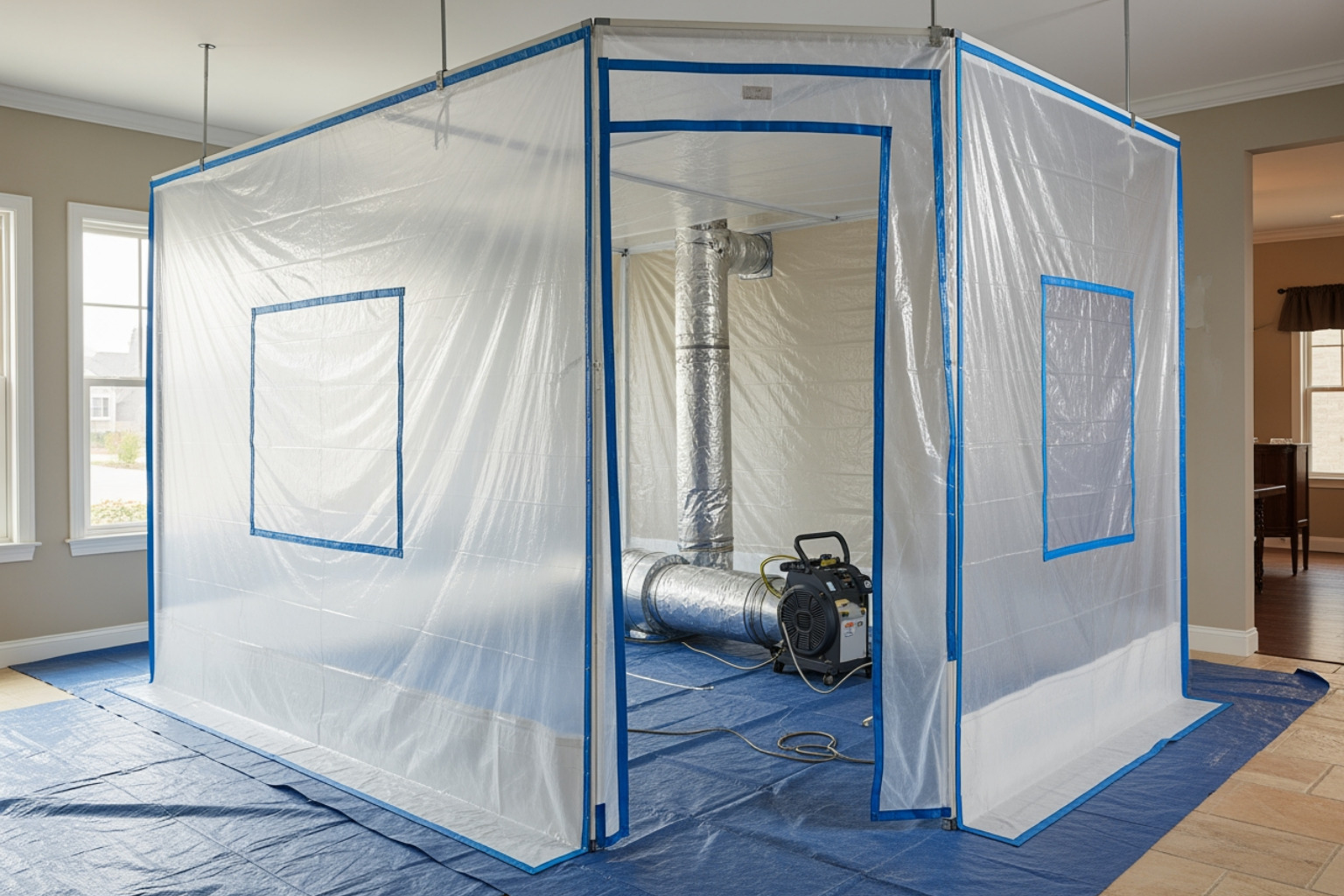
When we enter a home in Gulfport or Seminole, our first priority is safety. This involves:
- Personal Protective Equipment (PPE): Our techs wear N-95 respirators, goggles, and disposable suits to prevent breathing in spores or carrying them home.
- Containment: Using heavy-duty plastic sheeting and “zip poles” to seal off the work area.
- Negative Air Pressure: We use high-volume air movers to create a vacuum effect, ensuring that if a seal breaks, air flows into the contaminated area, not out into your living room.
These standards are echoed in the HUD guide to mold cleanup after disasters, which emphasizes that simply killing mold with chemicals isn’t enough; the mold must be physically removed.
Step-by-Step Expert Mold Cleanup Protocols
Our process at Drico Restoration is thorough and systematic. We don’t just “spray and pray”; we follow a proven sequence to ensure the mold is gone for good.
- Source Identification: We find the leak. Whether it’s a pinhole pipe leak or a roof issue, the mold will return if the water isn’t stopped.
- Area Isolation: We set up the containment and negative air machines mentioned above.
- Physical Removal: We remove porous materials that cannot be salvaged, such as moldy drywall or carpet padding. These are double-bagged and removed carefully.
- HEPA Vacuuming: We use High-Efficiency Particulate Air (HEPA) vacuums to trap 99.97% of spores on all surfaces.
- Antimicrobial Application: We apply professional-grade fungicides to kill any remaining microscopic roots and prevent new growth.
- Detailed Cleaning: We “wet wipe” all hard surfaces with specialized cleaning solutions.
For a deeper look at our specific methods, you can explore our professional mold remediation services page.
Essential Equipment for Effective Remediation
To achieve expert mold cleanup, you need more than a mop and bucket. We use industrial-grade technology to restore your indoor air quality:
- Air Scrubbers: These machines pull air through a series of filters (including HEPA) to remove spores, dust, and odors from the environment.
- Industrial Dehumidifiers: Mold loves humidity. We drop the relative humidity in the work area to below 45% to “starve” the mold of moisture.
- Moisture Detection Tools: We use infrared cameras and moisture meters to see water hidden behind tiles or inside wall cavities.
- Negative Air Machines: These ensure that contaminated air is filtered and exhausted outside the building.
All of our equipment and techniques are aligned with IICRC certification standards, ensuring that your property in St. Pete Beach or Belleair is handled by true experts.
Residential vs. Commercial Mold Remediation Requirements
While the biological process of mold is the same, the logistics of remediation differ between a home and a business.
Residential Remediation: The focus is often on occupant health and protecting sentimental items. We work quickly to ensure families can stay in their homes or return as soon as possible. We treat every home in Treasure Island or Kenneth City like it’s our own, prioritizing the safety of children and pets who are more vulnerable to spores.
Commercial Remediation: For businesses in Clearwater or St. Petersburg, downtime is the biggest concern. Commercial spaces often have complex HVAC systems and larger square footage. We often perform commercial mold removal solutions after hours to minimize business interruption while strictly adhering to OSHA safety regulations to protect employees and customers.
Verifying a Safe and Mold-Free Environment
How do you know the job is actually done? You shouldn’t just take a contractor’s word for it. At Drico Restoration, we believe in “verification, not just speculation.” A project is only complete when:
- The Source is Fixed: The moisture problem that started the mold is completely resolved.
- Visual Clearance: There is no visible mold or dust left in the containment area.
- Odor Elimination: The musty smell is entirely gone.
- Moisture Stabilization: All building materials have returned to “dry standards” as measured by our meters.
- Post-Remediation Testing: We often recommend third-party air quality testing. This involves taking air samples inside the work area and comparing them to outdoor “baseline” samples to prove the spore count is back to a safe, natural level.
Final Thoughts on Prevention
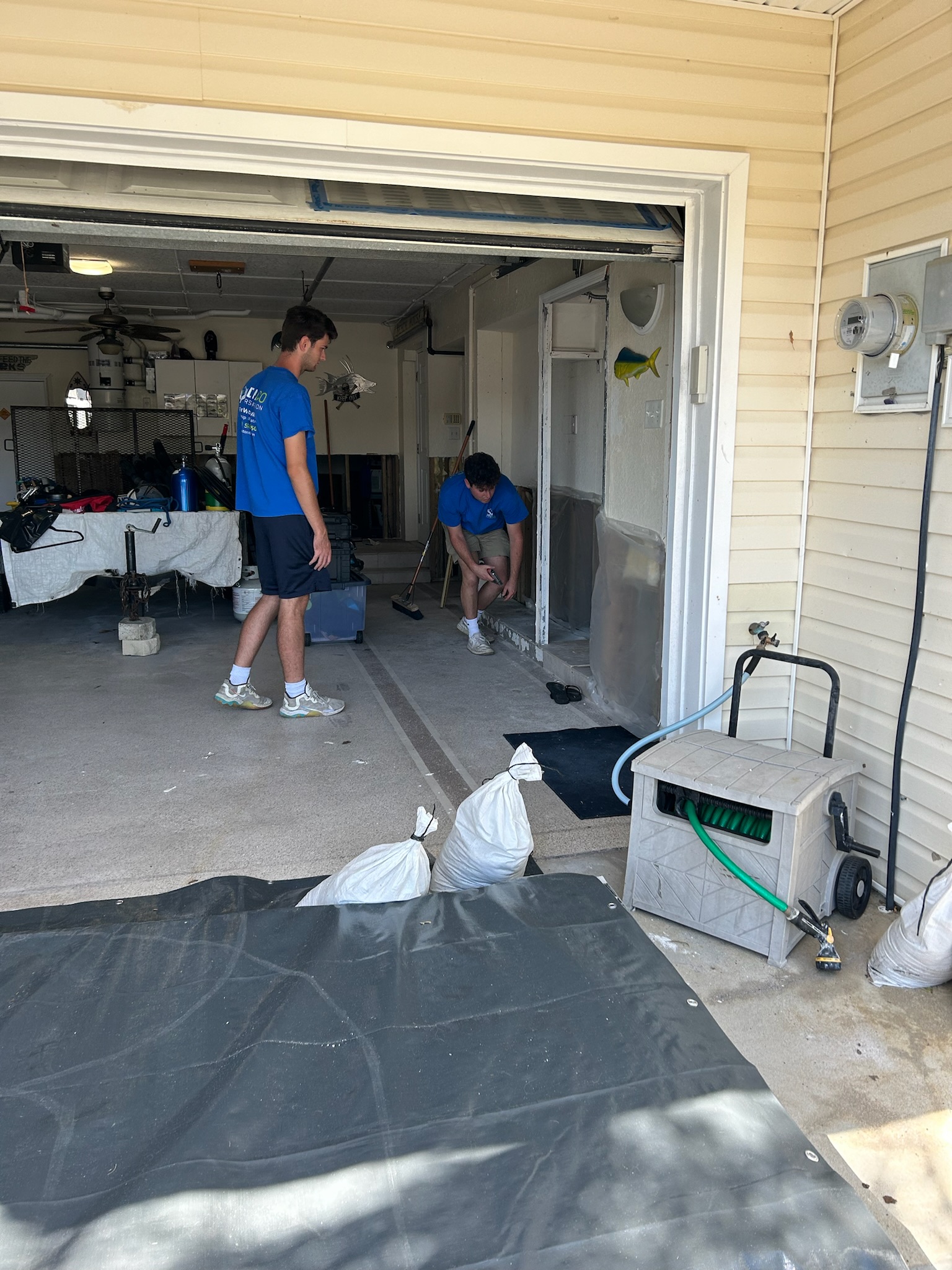
Once your expert mold cleanup is complete, the best way to prevent a recurrence is moisture control. In our Florida climate, this means keeping your AC maintained, using exhaust fans in bathrooms, and addressing any window or roof leaks immediately. Mold only needs two things to grow: an organic food source and moisture. You can’t remove the food (your house), so you must control the water!